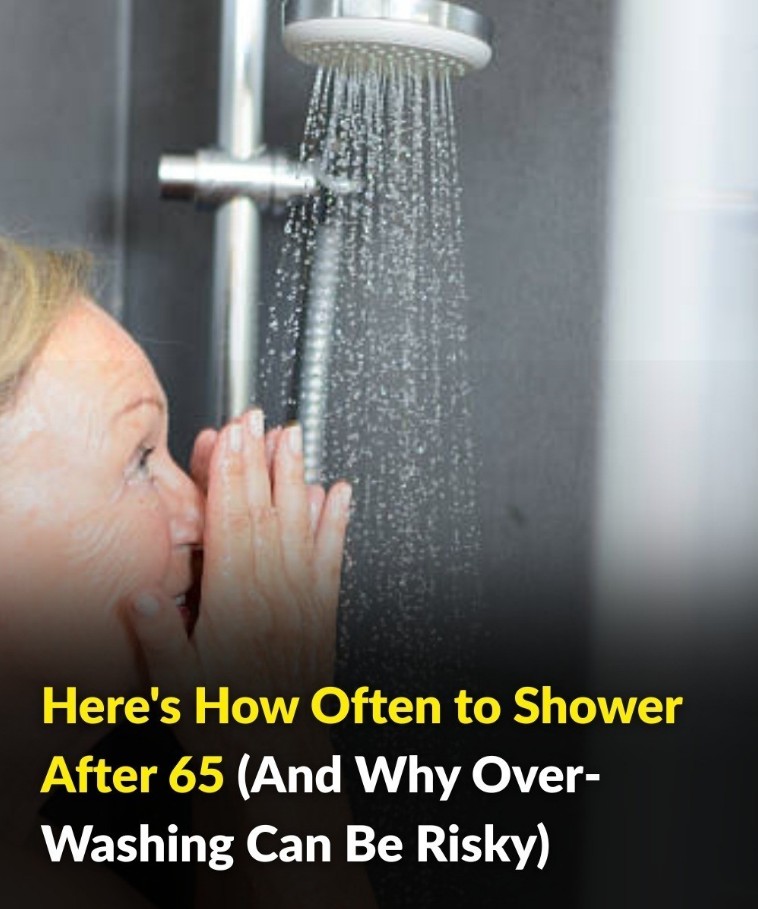
Most of us grow up thinking that a daily shower is the gold standard for cleanliness and self-respect — an automatic part of getting ready for the day. It feels refreshing, normal, and almost like a small ritual of self-care. But as we get older, especially after about 65, that well-intentioned habit can start to work against our skin. What once felt like a pick-me-up can strip away the very things that keep our skin healthy.
Our skin is an amazing organ, but it doesn’t stay the same forever. Over time, the body makes less collagen and elastin, the proteins that keep skin supple and elastic. We also produce less sebum, the natural oil that helps lock in moisture and protect against the elements. Imagine your skin barrier as a shield that gradually thins and develops hairline cracks. When that happens, the skin becomes more fragile, more prone to redness, flaking, and itching, and less able to fend off small infections. A long, hot shower or a strong soap can remove the oils that remain, leaving the skin tight and vulnerable.
There’s another piece to the puzzle that gets surprisingly little attention: the skin microbiome. Our skin is home to a host of beneficial bacteria and other microbes that form a defensive community. They’re not glamorous, but they do important work by crowding out harmful organisms and helping the skin maintain its balance. Every time we strip that community away with harsh cleansers or excessive washing, we open the door a little wider to irritation and infection. For older adults, whose barriers are already weakened, that can mean a higher risk of rashes or the persistence of dry patches that don’t heal easily.

Given these changes, many dermatologists now suggest that people over 65 don’t need — and often shouldn’t have — daily showers. Limiting showers to two or three times a week can keep you clean without continually depleting the skin’s natural defenses. That recommendation can feel counterintuitive at first. After all, cultural norms and personal habits are powerful. But it helps to think of the change as smarter hygiene rather than neglect. In practice, fewer showers can translate to far fewer episodes of irritation and more comfortable, resilient skin.
Small adjustments during shower time can make a big difference. First, swap hot water for lukewarm; hot water feels luxurious, but it strips oils much faster. Keep showers short — five minutes is more than enough for basic cleansing. Choose soap-free or very mild, fragrance-free cleansers; these are designed to remove dirt without disrupting the skin’s natural oils. Instead of rubbing vigorously with a washcloth, use gentle dabbing motions; the goal is to remove grime without aggravating delicate tissue.

Drying and moisturizing are equally important. Many people habitually rub their skin with a towel until it’s completely dry, but patting is kinder. Leaving a little moisture on the surface helps when you apply an emollient right away. A thick, fragrance-free moisturizer applied within minutes of stepping out of the shower helps lock in hydration. For very dry areas — hands, shins, elbows — a richer ointment can be used at night or more frequently during cold months. And don’t forget the hands: frequent hand-washing is essential for health, but it also strips oils. After washing, apply a hand cream to prevent cracks and soreness.
There are practical ways to feel fresh between showers, too. Spot cleaning with a damp washcloth, changing underwear and socks daily, and using deodorant can all help maintain personal hygiene without full-body washing. For many older adults, sponge baths or rinsing key areas are effective and much gentler. Choosing breathable fabrics and staying hydrated also protect the skin by minimizing friction and supporting overall moisture.

Making these changes may require a mental shift, especially if daily showers are tied to a sense of routine or dignity. It’s worth remembering that less frequent bathing doesn’t mean being unkempt; it means adapting to what your body needs now. Families and caregivers can help by encouraging gentle products and showing how simple, short showers can still feel clean and restorative. Over time, people often notice fewer flares of dryness and irritation, and their skin looks and feels more comfortable.
At the heart of it, caring for aging skin is about listening and responding — not punishing it with the same regimen you used at 30. By adopting a “less is more” approach, using milder products, and focusing on moisture retention, you can protect the skin’s barrier, reduce discomfort, and help it stay resilient for years to come. It’s a small change with a big payoff: better comfort, fewer problems, and a healthier, more comfortable skin that still lets you enjoy those little moments of self-care.