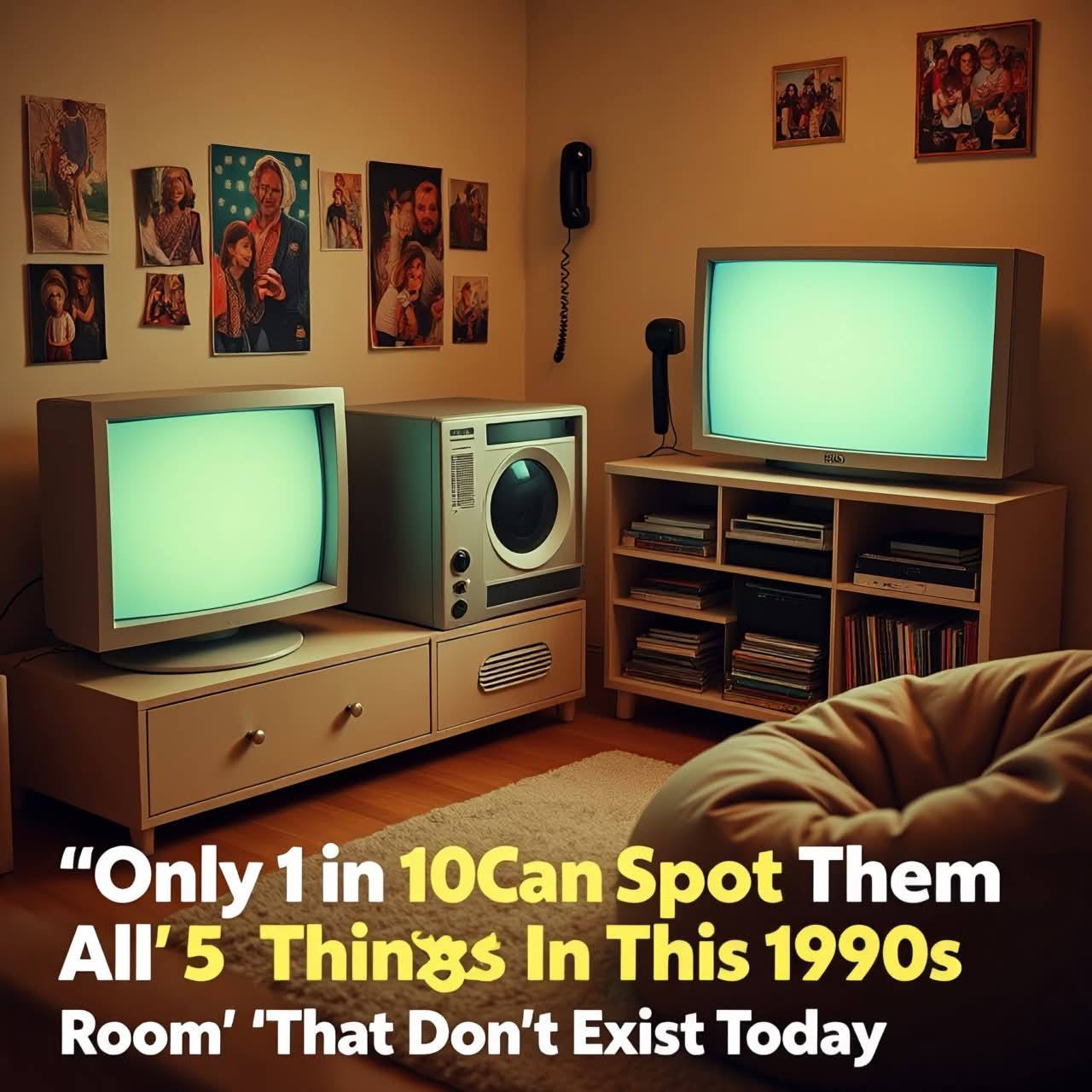
The 90s were a different time — a stretch of years when life felt slower, connections were literal, and family rooms served as the home’s analog hub. Before smartphones, before streaming, before everything learned our preferences, the family room was where people gathered to do things together: play games, watch TV, listen to music, and actually talk. Look at this scene and you’ll spot five artifacts that defined that era and are mostly gone now — or at least gone in the way we remember them.

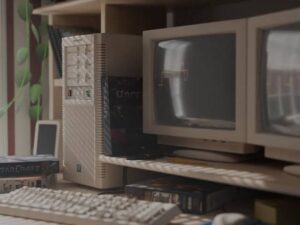
First, the beige box computer with its chunky CRT monitor. It took what felt like forever to boot, the monitor humming and the screen slowly blooming to life as your patience — and perhaps your parents’ tolerance for household noise — was tested. AOL’s dial-up tone was a ritual: a series of squeaks and trills that meant you were finally online. But it was fragile; if someone picked up the phone mid-connection, the line would drop and you’d have to start again. You learned to time your online sessions around family calls and dinner. That computer was where you wrote school reports, played early PC games with pixelated heroes, and maybe even kept your first clumsy digital diary. It was a gateway to a nascent internet and a monument to patience.
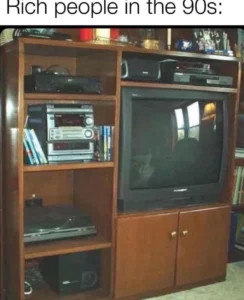
Second, the giant entertainment center — a solid block of wood or laminate that anchored the room and housed everything noisy and media-related. It wasn’t just a TV stand; it was a shrine to playback. The big boxy TV sat proud in the center, flanked by the VCR and a CD player, with shelves crammed full of videotapes and a meticulously arranged wall of CDs — artists alphabetized with the kind of devotion modern playlists rarely see. Remote controls lived in dedicated trays, and the entertainment center’s doors hid messes and wires. Sunday evenings, the family center flickered as movies rewound and discs clicked into place, a mechanical ballet signaling shared rituals that streamed services have quietly retired.
Third, the cordless phone perched on its wall charger — cutting the cord but not the compromises. You could move across the room, send the handset down the hall, but battery life was unforgiving. Take it off the base and you had maybe twenty minutes of conversation before the voice on the other end started to stutter. Teenagers practiced dramatic pacing and whispered secrets into these devices, while parents used them for practical matters. The idea of a tetherless call was revolutionary, even if the technology demanded frequent returns to the base for a little top-up.

Fourth, bean bag chairs and inflatable furniture dotted the floor, testament to a decade that prized instant comfort and easy rearrangement. These pieces weren’t about aesthetics so much as attitude — casual, cheap, and wholly welcoming. Spill a soda? No stress: wipe, puff back up, and keep going. Sleepovers meant a sea of vinyl and nylon accommodating friends sprawled with sleeping bags, while the bean bag double as an impromptu throne for the night’s chosen movie-watcher. These soft, often colorful seating choices made the family room feel like a participatory space rather than a showroom.

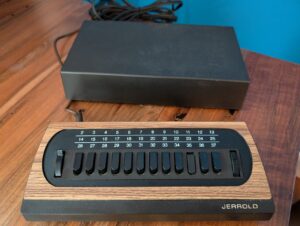
Fifth, the cable box with actual buttons — a very physical way to navigate entertainment. There was no voice command, no app to switch inputs. You had to stand up, walk over, and press the chunky buttons to flip to MTV or sneak a peek at a music video. Channel surfing required energy and intention; changing the programming was an act, not a thumb-swipe. The cable box’s little green display and tactile hum were as much a part of the room’s soundtrack as the TV shows themselves.
Together, these five items formed a landscape of rituals: pausing to wait for a computer to boot, selecting a movie from a shelf of tapes, remembering to charge the cordless phone, sinking into a bean bag after a long day, and physically changing channels when boredom set in. They were imperfect, mechanical, and oddly human — requiring patience, shared effort, and occasional negotiation. And while technology has replaced most of them with seamless convenience, there’s something warm about remembering the clunky, communal ways we used to connect. So test yourself: how many did you spot? Which one do you miss most — the whir of a booting PC, the pride of a wall of CDs, the anxious sprint to the charger, the cozy flop into a bean bag, or the stroll to the cable box to catch your favorite show?
How many did you get? 👇 Tag someone who had this exact setup in 1995!